Love Summer T-Shirt Design Review
As a designer who spends more time than I care to admit staring at stitch density charts and testing thread tension, I approach every new machine embroidery design with a healthy dose of skepticism. The digital market is flooded with graphics that look beautiful on a screen but fall apart when pushed through an embroidery machine needle. That is why I took a close look at the Love Summer T-Shirt Design, specifically evaluating its potential for real-world application in custom apparel, boutique merchandise, and personal craft projects.
This isn’t just about whether the file opens correctly; it’s about whether the final stitched product feels like a premium, handmade item that a customer would proudly wear or display. Below is my practical breakdown of how this tropical-themed graphic translates from a PNG source into a tangible, embroidered reality.
First Impressions: Mood and Visual Personality
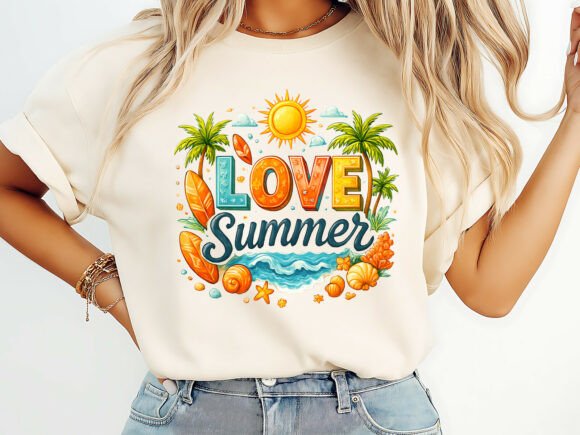
The moment you open the Love Summer T-Shirt Design, the intent is clear. It captures a vibrant, carefree energy that screams vacation mode. The composition features palm trees, surfboards, ocean waves, seashells, and the bold text "Love Summer." From a design perspective, this is a strong, cohesive theme. It doesn’t try to be everything at once; it leans hard into the beach aesthetic, which makes it easier to integrate into specific product lines.
For an embroiderer, the visual hierarchy here is smart. The text serves as the anchor, while the surrounding elements—like the sweeping waves and detailed shells—add texture without overwhelming the eye. This balance is crucial. If the details are too intricate, the stitching can become muddy. If they are too sparse, the design looks unfinished. In this case, the layout suggests a design that relies heavily on fill stitch areas for the waves and leaves, contrasted against cleaner satin stitch outlines for the text and surfboard edges. This mix provides a nice tactile variety to the finished piece, inviting touch rather than just sight.
Real-World Application: Where This Design Shines
I believe the true test of any embroidery file is how well it performs on actual garments and accessories. Based on the scale and color palette implied by the description, this design has several standout use cases for small business owners and hobbyists alike.
- Custom Apparel: This is the most obvious fit. On a crisp white or light pastel t-shirt, the bright tropical colors will pop. However, don’t limit yourself to tees. This design works beautifully on lightweight sweatshirts for those early summer evenings or even linen button-downs for a more elevated resort look.
- Baby and Nursery Items: There is a surprising amount of versatility here for baby products. The soft curves of the shells and waves translate well to baby embroidery on muslin blankets, hooded towels, or onesies. The theme is gender-neutral enough to appeal to a wide range of parents looking for unique nursery decor or shower gifts.
- Home Goods and Kitchen Textiles: One area many designers overlook is kitchen textiles. A smaller version of this design could work wonderfully on tea towels, aprons, or even pillow covers. The "summer" vibe adds a cheerful touch to a kitchen space, making it a great addition to a line of coordinated home goods for an Etsy shop.
- Accessories and Patches: For those interested in embroidered patches, this design offers good structural integrity. The solid shapes of the surfboard and palm fronds hold up well when cut out and backed with iron-on adhesive. These make excellent additions to denim jackets, backpacks, or tote bags, adding a personalized flair to everyday carry items.
Critical Considerations and Potential Pitfalls
No design is perfect for every scenario, and being honest about limitations is part of professional practice. Here is where you need to exercise caution with the Love Summer T-Shirt Design.
Fabric Texture and Stability: Because this design likely contains dense fill areas (especially if the waves are rendered with heavy stitching), it requires a stable fabric base. Avoid using this on highly textured fabrics like chunky knits or loose-weave linens unless you are using a heavy-duty stabilizer. The stitches may pucker or distort if the fabric gives way under the tension of the thread. Similarly, stretchy fabrics like thin jersey require careful hooping and possibly a cut-away stabilizer to prevent distortion over time.
Small Hoop Sizes: If you attempt to digitize or use a very small version of this design, you risk losing detail. Tiny lettering and small shell textures can become illegible blobs of thread. Always check the minimum recommended hoop size before committing to a small project like a hat brim or a child’s pocket. If the design includes tiny decorative accents, ensure your machine can handle the precision required.
Dark Fabric Challenges: While the description highlights bright colors, working with bright threads on dark fabric often requires a backing layer or a lighter-colored underlay to make the colors truly vibrant. Without proper setup, the colors might look muted or dull. Test this on scrap fabric first to see if you need to adjust your thread choices or add a topstitch outline to define the shapes better.
Stitch Quality and Product Value
When evaluating the stitch density and overall execution, the key factor is clarity. A high-quality digital embroidery file should have clean transitions between different stitch types. If the transition from the satin stitch text to the fill stitch background is abrupt, it can create a harsh visual break. Ideally, the design should flow naturally, with the waves appearing to crash around the text or the palm trees framing the composition.
From a business perspective, the professionalism of the finish directly impacts customer trust. A sloppy finished product with visible gaps, tangled threads, or puckering fabric will lead to returns and negative reviews. Conversely, a clean, well-executed embroidery job elevates the perceived value of the item. Customers are willing to pay a premium for handmade goods that look polished and durable. By ensuring your thread colors match the vibrancy of the original graphic and using the correct stabilizer, you maintain brand consistency and deliver a product that reflects well on your shop.
Practical Designer Notes for Implementation
Before you start stitching hundreds of units for your next craft fair or Etsy listing, follow these essential steps:
- Test on Scrap Fabric: Never assume a design will work perfectly on your final material. Stitch it out on the exact fabric type you plan to use. This helps you identify issues with puckering, thread breaks, or color clashes early.
- Check Black and White Mockups: Convert the design to black and white in your software. This helps you evaluate the contrast and legibility of the text and shapes independent of color. If the text disappears into the background in grayscale, it might struggle in color too.
- Verify Licensing: As a responsible seller, you must confirm the licensing terms. Does the purchase allow for commercial use? Can you sell unlimited finished items? Check the provider’s terms clearly to avoid legal issues later.
- Inspect Small Details: Zoom in on the design file. Look at the corners of the letters and the fine lines of the shells. Are they too thin to stitch reliably? If so, consider simplifying the design or adjusting the digitization settings to thicken critical lines.
- Compare Light vs. Dark Backgrounds: Create mockups of the design on both white and black backgrounds. This will help you decide which thread colors work best for each variation and ensure the design remains versatile across different product lines.
In conclusion, the Love Summer T-Shirt Design is a strong candidate for anyone looking to add a seasonal, cheerful element to their craft business. Its vibrant theme and balanced composition make it suitable for a wide range of custom apparel and home goods. By paying attention to fabric choice, stabilization, and stitch quality, you can transform this digital asset into a stunning physical product that customers will love. Just remember to test thoroughly and respect the technical limits of your equipment to ensure a professional result every time.