Papa Bear Guitar Embroidery Review
As a designer who spends half my life staring at stitch charts and the other half trying to convince clients that embroidery isn’t just "fancy buttonholes," I approach every new digital asset with a mix of optimism and skepticism. We’ve all been there: you find a cute graphic, buy the file, pop it into your hoop, and realize too late that the details are going to disappear in a sea of thread or, worse, cause your machine to jam. That is why I am taking a close look at the Papa Bear Playing Acoustic Guitar Design. This isn’t just another clip-art bear; it’s a specific aesthetic choice that carries weight when translated from screen to fabric.
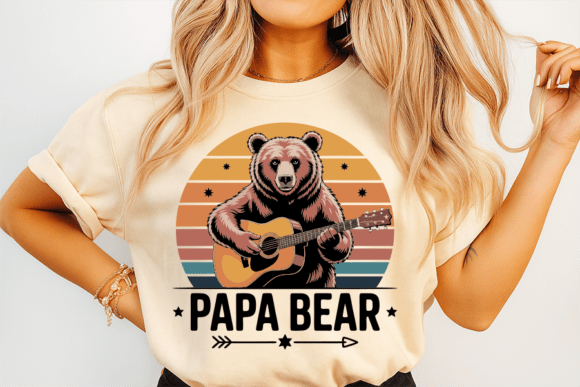
The product description highlights a friendly Papa Bear serenading the viewer with an acoustic guitar in a retro vintage style. On paper, that sounds lovely. But in practice, does it hold up? Let’s break down how this design behaves in real-world scenarios, from your home sewing room to a bustling Etsy shop.
The First Impression: Mood and Visual Personality
When you first load the Papa Bear Playing Acoustic Guitar Design, the immediate takeaway is its warmth. The retro vintage style suggests nostalgia, comfort, and a bit of whimsy. It doesn’t scream for attention like a bold, high-contrast logo; instead, it invites you in. For designers working on personalized gifts, this is a massive advantage. Customers aren’t just buying a shirt; they are buying a feeling of cozy, family-oriented charm.
Visually, the layout feels balanced. The bear holding the guitar creates a natural focal point. Unlike abstract shapes that can get lost in complex stitch patterns, the organic curves of the bear’s body and the distinct shape of the acoustic guitar provide clear boundaries for your machine to follow. This clarity is crucial for maintaining visual appeal. If you are creating a handmade product that needs to communicate "wholesome" or "musical" instantly, this design delivers that message without needing extra text or clutter.
Real-Life Application: Where Does It Shine?
I believe the true test of any machine embroidery design is how it performs on actual garments and accessories. Here is where I see this design excelling:
- Custom Apparel and Sweatshirts: This design has a perfect footprint for chest-area placement on crewneck sweatshirts or heavyweight t-shirts. The vintage vibe pairs beautifully with heather grey, navy, or olive green fabrics. It looks particularly striking as a sweatshirt embroidery piece because the thicker fabric supports the stitch density without puckering.
- Baby and Nursery Items: There is something inherently sweet about a bear playing music for a little one. I envision this looking adorable on a baby onesie, a muslin swaddle, or even a nursery wall hanging. As a baby embroidery project, it offers a soft, non-threatening character that parents love. Just ensure the scale is appropriate so it doesn’t overwhelm a tiny garment.
- Home Decor and Kitchen Towels: Don’t overlook the utility aspect. This design translates surprisingly well to kitchen towels or tea towels. Imagine a set of embroidered linens featuring Papa Bear and perhaps Mama Bear (if available) for a boutique kitchen collection. It adds a touch of personality to home decor that mass-produced items lack.
- Holiday and Gift Markets: With the rise of personalized gifting, this design fits perfectly into holiday collections. It works well as a Christmas stocking topper, a Valentine’s Day gift for a music lover, or a Father’s Day present. Its broad appeal makes it a safe yet charming choice for holiday embroidery projects.
Technical Considerations and Potential Pitfalls
While the artistic merit is high, we need to talk about the technical execution. Not every surface is created equal, and Papa Bear Playing Acoustic Guitar Design has specific requirements to look its best.
Fabric Texture and Stability: Because the design likely involves fine details in the bear’s face and the guitar strings, you must use a proper stabilizer. On stretchy knits, like thin t-shirt material, you risk distortion unless you use cut-away stabilizer. On textured fabrics like fleece or heavy denim, the needle might struggle to penetrate consistently, leading to skipped stitches. Always test on scrap fabric first.
Small Hoop Sizes: Be cautious if you plan to digitize or resize this design significantly smaller. Tiny lettering or intricate corner details often suffer in small hoops. If you are aiming for a miniature patch size, inspect the stitch density carefully. Satin stitches meant to define edges might merge together if the resolution is too low, turning a detailed guitar into a blob of color.
Color Contrast: The vintage style often relies on muted tones. If you are stitching this on dark fabric, ensure your thread colors provide enough contrast. A light beige bear on a black shirt might get lost unless you use a bright underlay or a contrasting outline. Conversely, on white fabric, ensure the shadow threads don’t wash out the image. Checking your design in a black-and-white mockup can help you gauge value distribution before you start threading.
Strategic Value for Sellers and Makers
For Etsy sellers and small shop owners, the versatility of this design is a key selling point. It bridges the gap between novelty and quality. Many buyers are tired of cheap-looking novelty prints; they want something that looks handcrafted and thoughtful. This design delivers that perception.
It also enhances brand consistency for businesses focusing on rustic, vintage, or family-themed aesthetics. Whether you are selling custom apparel or digital assets, having a cohesive library of designs like this helps build trust. When a customer sees a professionally executed embroidered patch or a neatly stitched tote bag, they assume higher quality overall. This design supports that professionalism.
Furthermore, its adaptability allows for creative marketing. You can create printable mockups showing the bear on various products—caps, aprons, pillow covers—to give customers a vision of the final result. This visual storytelling drives engagement and helps justify price points for handmade products.
Practical Designer Notes Before You Stitch
Before you commit this design to a commercial run, here is my checklist for success:
- Test Stitch Density: Review the code to ensure the fill stitches aren’t too dense, which can make the fabric stiff and uncomfortable, especially for baby items.
- Confirm Licensing: If you intend to sell finished items, double-check the license terms. Some digital embroidery files allow personal use only, while others permit commercial sales. Never assume.
- Thread Color Palette: Experiment with different thread colors. While the default might be standard polyester, using high-quality cotton blends or metallics for the guitar strings could elevate the finished product significantly.
- Inspect Small Details: Zoom in on the digital preview. Are the eyes distinct? Is the guitar neck clear? If these elements are vague, consider adding a simple satin outline to enhance definition.
- Check Machine Compatibility: Ensure the file format matches your machine’s capabilities. While most modern machines handle standard formats, verifying compatibility prevents frustrating errors during production.
In conclusion, the Papa Bear Playing Acoustic Guitar Design is a strong candidate for anyone looking to add a touch of vintage charm to their embroidery portfolio. It is versatile, emotionally resonant, and technically feasible for a wide range of projects. By paying attention to fabric choice, stabilization, and color contrast, you can transform this digital graphic into a tangible, beloved keepsake. Whether you are making a quick gift for a neighbor or building a line of boutique merchandise, this design offers a reliable foundation for creativity. Just remember: always test, always plan, and let the quality of your work speak for itself.