Vintage Silly Kawaii Retro Mermaid Review
When I scroll through design assets looking for something that can bridge the gap between nostalgic charm and modern craft trends, I am always hunting for a specific visual balance. It needs to be cute enough to stop a thumb from scrolling on social media, but structured enough to actually hold up under the tension of an embroidery hoop. That is exactly where Vintage Silly Kawaii Retro Mermaid caught my eye. As someone who reviews graphics for real-world application—meaning they have to survive the needle, the thread tension, and the washing machine—I do not just look at how a design looks on a screen. I look at how it translates into a physical object.
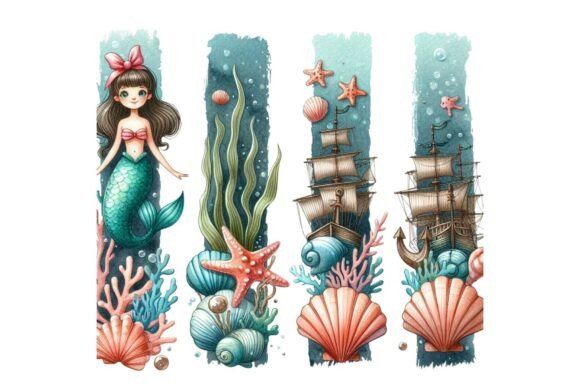
This piece falls squarely into the Illustrations and Graphics categories, but its personality screams handmade product potential. The aesthetic is a playful collision of retro vintage vibes and contemporary kawaii culture. It creates an immediate mood of whimsy and warmth. When I first laid eyes on this machine embroidery design, I did not see a generic clipart image; I saw a finished product waiting to happen. The visual personality is distinct: it is silly, slightly quirky, and undeniably charming. This is not a serious, classical mermaid sitting on a rock; this is a character-driven graphic that invites interaction and emotional connection from the wearer or user.
From Screen to Stitch: The Real-World Application
Let us talk about where this design naturally lives in a creative entrepreneur’s workflow. My first instinct when reviewing Vintage Silly Kawaii Retro Mermaid was to imagine it on a custom embroidered tote bag. There is something inherently fun about pairing a kawaii theme with a utilitarian item like a canvas tote. It elevates a simple shopping bag into a statement piece. For an Etsy seller or a crafter selling at local markets, this kind of design offers high perceived value without requiring complex digitization skills if you are using pre-made files. It fits perfectly into the niche of personalized gifts, where buyers want something unique but not overly complicated.
I also envision this working exceptionally well as an embroidered patch. Patches are having a massive moment in streetwear and casual fashion. Applying this retro mermaid to the back of a denim jacket or the front of a baseball cap gives it that authentic, DIY flair. However, we must consider the surface. Curved surfaces like caps require careful hooping and stabilization. If the design has fine lines or tiny details, those areas might pucker if the fabric is too thin or stretchy. But if placed on a sturdy cotton twill cap, the contrast between the soft kawaii character and the rugged hat material creates a compelling textural interest.
Beyond apparel, this embroidery file has strong potential in home decor. Imagine this design stitched onto a linen pillow cover for a nursery or a child’s bedroom. The color palette typically associated with this style—soft pastels mixed with vibrant retro tones—adds a pop of joy to a neutral room. It also works beautifully on kitchen textiles. A tea towel featuring this Vintage Silly Kawaii Retro Mermaid brings humor and personality to a functional space. It turns a mundane household item into a conversation starter. For small shop owners, these are the kinds of items that drive impulse buys because they feel personal and thoughtful.
Technical Considerations for Embroidery Designers
As a designer, I cannot recommend any asset without discussing the technical realities of stitching it out. The first rule of thumb is always to test the design on scrap fabric before committing to your final handmade product. Different fabrics react differently to stitch density and thread tension. If you are planning to use this for custom apparel like sweatshirts or t-shirts, you need to ensure the stabilizer matches the weight of the garment. A heavy sweatshirt requires a different support system than a lightweight jersey knit.
One critical aspect to evaluate is the stitch density. Designs that lean heavily into kawaii aesthetics often rely on smooth curves and clean outlines. If this design utilizes a lot of satin stitch for the borders or facial features, you need to check that the density is not so high that it distorts the shape of the mermaid’s face or tail. Conversely, if it uses fill stitch for larger areas, ensure there is enough negative space so the fabric does not become stiff and unyielding. I always advise checking small details in black and white mockups. Sometimes, colors that look distinct on screen merge together once stitched, especially if the thread colors chosen lack sufficient contrast against the base fabric.
Fabric texture plays a huge role here. On a smooth cotton background, the details will pop. On a textured fabric like fleece or a heavily woven burlap, fine lines might get lost or look messy. For this reason, Vintage Silly Kawaii Retro Mermaid performs best on relatively smooth surfaces where the needle can penetrate cleanly and the thread can lay flat. Avoid using this on highly textured or looped fabrics unless you are experienced in managing those variables.
Navigating Potential Pitfalls
There are specific scenarios where caution is required. Small hoop sizes can be tricky. If the design is detailed, trying to fit it into a 4x4 inch hoop might result in cramped stitching or overlapping elements that lose their definition. Always confirm the hoop size requirements before starting. Additionally, if you are producing these items for commercial sale, pay close attention to licensing. While the graphic itself may be available for use, you must verify whether the license allows for commercial embroidery projects or if it is restricted to personal use only. Selling finished products without proper rights can lead to serious legal issues.
Another area to watch is dark fabric. If you plan to stitch this onto a black hoodie or a navy blue apron, you will likely need a cut-away stabilizer and possibly a top tear-away to prevent the fabric from shifting. The lightness of the kawaii style might get swallowed by dark threads if the design lacks bold outlines. In such cases, adding a contrasting border or ensuring the primary thread colors are bright enough becomes essential for visibility.
Why This Design Resonates with Buyers
From a marketing perspective, Vintage Silly Kawaii Retro Mermaid hits several key triggers for consumers. It taps into the nostalgia of vintage aesthetics while remaining fresh and relevant through the kawaii lens. This dual appeal broadens the target audience. It attracts younger buyers who love anime-inspired art, but also older demographics who appreciate retro typography and illustration styles. For an Etsy seller, this versatility means you can market the same design across multiple product lines—from baby embroidery onesies to holiday embroidery ornaments.
The "silly" aspect of the design adds a layer of approachability. People buy handmade goods not just for quality, but for emotion. A mermaid that looks playful and happy evokes a positive response. It makes the finished product feel like a gift of joy rather than just a utility item. This emotional connection increases customer trust and encourages repeat business. When a buyer sees that you have put thought into selecting designs that bring happiness, they are more likely to engage with your brand consistently.
Furthermore, this design lends itself well to branding. If you are building a boutique identity around fun, feminine, and nostalgic themes, incorporating this mermaid into your logo patches, hang tags, or packaging labels reinforces your brand voice. It creates a cohesive visual language that customers can recognize instantly. Whether you are creating digital product previews for print-on-demand services or showcasing physical items at a craft fair, this graphic serves as a powerful design asset.
Final Thoughts for the Creative Maker
In conclusion, Vintage Silly Kawaii Retro Mermaid is more than just a pretty picture; it is a versatile tool for any creative professional. Its success lies in its ability to adapt to various mediums while maintaining its core charm. Whether you are stitching it onto a tote bag design for a summer festival or adding it to a sweatshirt embroidery collection for autumn, the key is preparation. Test your stitches, choose your threads wisely, and respect the fabric. By doing so, you transform a digital graphic into a tangible, valued personalized gift that stands out in a crowded marketplace. For designers looking to add a touch of whimsical history to their portfolio, this is a strong candidate worth exploring.