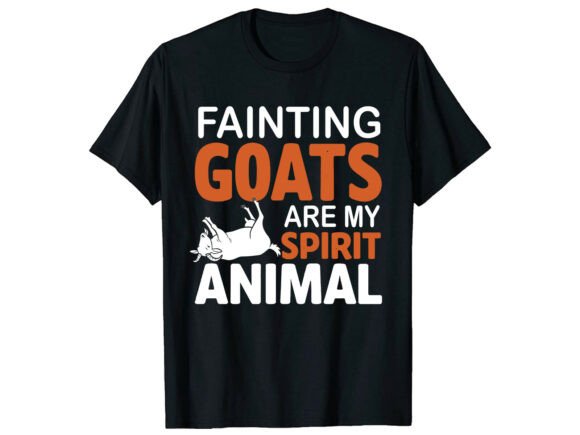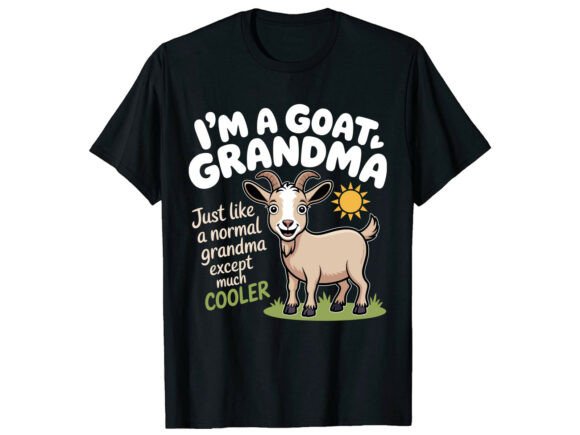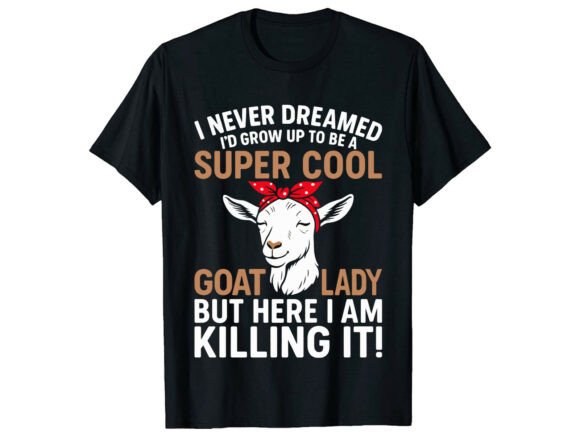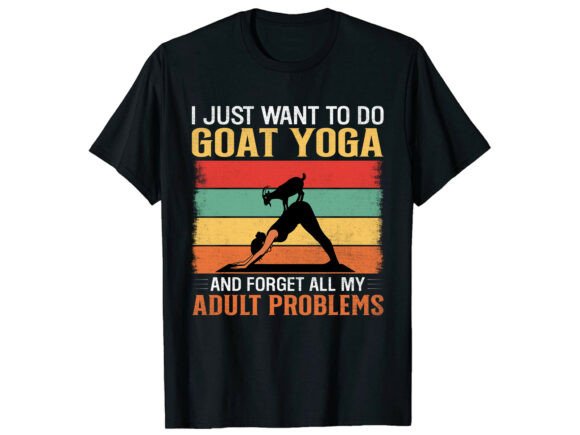
Funny Goat Lover Quote T-Shirt Design Review
As a designer who spends half her life staring at stitch previews and the other half troubleshooting tension issues, I approach every new embroidery file with a healthy dose of skepticism. We have all been there: you buy a design because the preview looks cute, only to realize halfway through the stitching process that the text is too small for the hoop or the background fill is going to pucker your favorite linen. That is why I always test designs in real-world scenarios before recommending them for commercial embroidery projects or personal gifts.
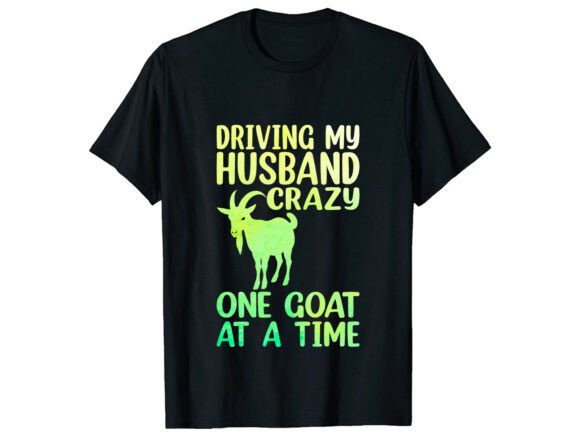
Today, I am evaluating the Funny Goat Lover Quote T-Shirt Design, specifically the graphic featuring the phrase “Driving My Husband Crazy One Goat at a Time.” This falls squarely into the category of T-Shirt Designs and Graphics, but its potential extends far beyond basic apparel. If you are an Etsy seller, a craft business owner, or a maker looking to add personality to your handmade product line, understanding how this design translates from screen to fabric is crucial. Here is my practical breakdown of how this design performs when it leaves the digital space.
First Impressions and Visual Personality
The immediate mood of this machine embroidery design is lighthearted, relatable, and distinctly rural-chic. The quote itself does the heavy lifting here; it taps into a very specific niche of humor that resonates strongly with goat owners, farmers, and those who simply appreciate the chaotic charm of herd animals. For a small shop product, relatability is currency. Buyers want to feel seen, and this design speaks directly to the daily reality of managing livestock.
Visually, the layout appears balanced for standard placement on garments. The text is likely the focal point, which is smart for readability. In embroidery project planning, legibility is king. A design might be artistically beautiful, but if the customer cannot read the joke within three feet, it fails as a communication tool. This design seems to prioritize clear messaging over intricate, delicate artistry, which actually works in its favor for mass production or quick turnaround orders. It feels sturdy, confident, and ready for everyday wear.
Real-World Application: Beyond the T-Shirt
While marketed as a T-Shirt Designs asset, limiting this design to just t-shirts would be a missed opportunity. Having tested similar typography-heavy graphics on various substrates, I see immense potential for this embroidery file in unexpected places. Let’s look at how it holds up in different contexts.
Custom Apparel and Sweatshirts
The most obvious application is, of course, the classic cotton tee or a cozy fleece sweatshirt. On a heather grey or navy blue shirt, the contrast will pop beautifully. However, do not overlook the power of this design on a heavyweight hoodie for fall craft fairs. The warmth associated with hoodies pairs well with the rustic theme of goats. When creating custom apparel, ensure you use a cut-away stabilizer to prevent the fabric from stretching out around the letters during washing.
Home Decor and Kitchen Towels
This is where the design can really shine for personalized gift markets. Imagine this embroidered on a high-quality cotton kitchen towel or a flour sack tea towel. The phrase adds a touch of humor to the kitchen, making it a perfect housewarming gift or a bridal shower present for a couple who loves farming. The texture of the toweling fabric hides minor stitch imperfections better than smooth jersey knit, making it a forgiving canvas for beginners.
Baby Items and Nursery Decor
Believe it or not, this design could work wonderfully for baby onesies or burp cloths, especially for parents who are goat enthusiasts. The "crazy" aspect of the quote is endearing when applied to infant wear. Just be mindful of thread choices; opting for softer, muted tones rather than harsh neons can make the piece feel more timeless and less like a novelty gag gift.
Patches and Accessories
If the design includes a clean border or sufficient negative space, it can be digitized as an embroidered patch. Patches are huge right now for adding character to denim jackets, backpacks, and beanies. A detachable patch allows the buyer to customize their gear without committing to permanent stitching, which increases the perceived value of the item.
Where to Use Caution: Technical Challenges
No design is perfect, and knowing where this one might struggle is just as important as knowing where it shines. Here are the areas where you need to be vigilant.
Small Hoop Sizes
If you attempt to stitch this on a tiny surface, such as a child’s hat brim or a small pocket, the text may become cramped. Ensure your hoop size accommodates the full width of the quote without cutting off letters. If the text wraps onto multiple lines, check that the spacing between lines is wide enough to prevent the threads from tangling or merging together.
Textured and Stretchy Fabrics
Avoid stitching this on highly textured fabrics like bouclé wool or thick chenille unless you are using a heavy-duty stabilizer. The uneven surface can cause the satin stitch edges to look jagged or misaligned. Similarly, while stretchy knits are great for t-shirts, they require proper hooping techniques (like spray starch or temporary adhesive) to keep the fabric taut. If the fabric shifts during stitching, the alignment of the letters will suffer, leading to a sloppy finished product.
Dense Stitch Areas
Check the stitch density of any graphic elements accompanying the text. If there are large solid fills, they can create a stiff, plastic-like feel on soft fabrics. For a humorous, casual design, a lighter touch often works better. You want the garment to remain comfortable and wearable, not rigid and uncomfortable against the skin.
Thread Colors and Contrast
One of the biggest mistakes designers make is ignoring color theory. Before finalizing your order, think about your thread colors. White text on a white shirt is invisible. Black text on black fabric is invisible. Test your combinations. For this specific quote, a dark charcoal text on a light grey shirt, or a bright yellow text on a navy shirt, tends to grab attention effectively. Always inspect small details in black and white mockups to ensure the contrast levels are sufficient for readability.
Practical Designer Notes for Success
To ensure your embroidery project goes smoothly, follow these practical steps:
- Test on Scrap Fabric: Never run a new design directly onto your final product. Use a scrap of the same material to check tension and stability.
- Inspect Small Details: Zoom in on the digital preview. Are there any tiny elements that might get lost in the stitching? If so, consider simplifying the design or increasing the font size.
- Confirm Licensing: Before listing this as a digital product or selling finished items on Etsy, double-check the license terms. Some designs are for personal use only, while others allow commercial resale. Clarity here protects your craft business from legal issues.
- Use Proper Stabilizer: Match your stabilizer to your fabric weight. Heavy fabrics need heavy stabilizers; lightweight fabrics need tear-away or wash-away options to prevent bulk.
- Create Printable Mockups: Once stitched, take high-quality photos. Use these for your printable mockup listings to show customers exactly how the design looks on different garments. Transparency builds trust.
Final Verdict
The Funny Goat Lover Quote T-Shirt Design is a solid, versatile addition to any designer’s library. It captures a popular niche with humor and clarity, making it ideal for holiday embroidery sales, birthday gifts, and everyday personalized products. While it requires standard care regarding fabric choice and stabilization, its broad appeal and straightforward execution make it a reliable choice for both hobbyists and professional apparel decorators.
If you are looking to add a touch of whimsy and relatability to your design assets, this graphic delivers. It reminds us that embroidery is not just about technical precision; it is about connecting with people through shared experiences and laughter. Just remember to test, stabilize, and stitch with care, and you will have a finished product that customers will love wearing and showing off.